Solo Leveling · The world of the novels
The Gates
Doors in the air over Seoul, hunters ranked E to S, a System only one man can see, an army raised from the dead, and the war the gates were opened for.
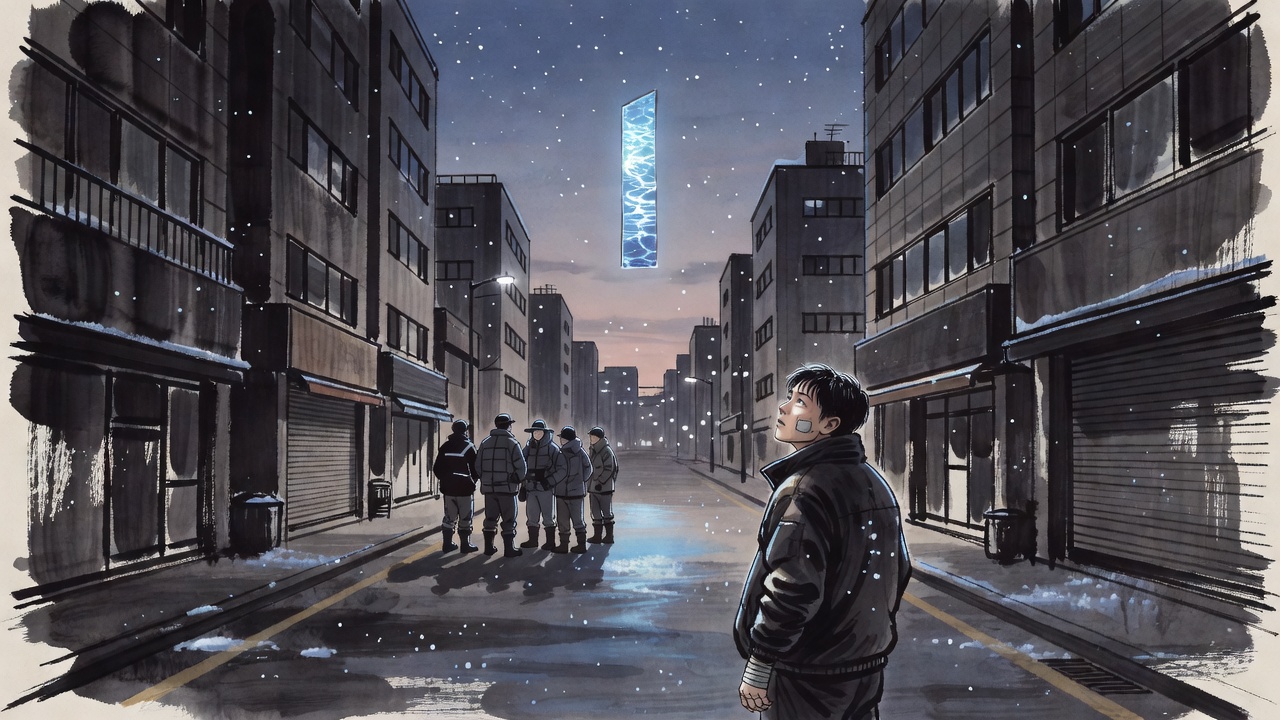
Solo Leveling is set in a Korea much like ours, give or take the holes in the air. About ten years before the first page, gates began to open: doors hanging over streets and stations that lead into dungeons full of monsters. A few people awakened with the strength to go in after them. They are called hunters, ranked from E to S, paid in the stones they cut out of the dead, licensed by a government association and bid for by guilds that behave like corporations. Into that world Chugong drops a hunter so weak that his nickname is a joke, and then a System that only he can see.
This page is the reference shelf: how gates and dungeon breaks work, how hunters are ranked and paid, what the System asks of Jinwoo Sung, how his shadow army is raised and graded, who the Monarchs and the Rulers are, and the places their war reaches, from Seoul to Jeju, Japan and America. Its frames are rules and institutions rather than plot; the volume pages carry the story.
It uses the words of the Yen Press English edition (essence stones, the Hunter’s Association, Igris the Bloodred, Fang, the Elixir of Life), with the anime’s forms in the aside below, and it draws on all eight volumes. It spoils everything, the last secret included.
Gates and dungeon breaks
A gate is a door in the air, and behind it lies a dungeon: a cave, a forest, a castle, sometimes a whole snowfield, stocked with magic beasts and ruled by a boss. The novel lays out the rules in its first chapter, and they read like a game’s. A gate will not close until its boss is dead, and once the boss falls it shuts within the hour. Gates are ranked from E to S, like the hunters sent into them, by the mana they give off.
Leave one alone and the rules turn ugly. After the seventh day the gate opens fully and whatever lives inside walks out into the world: a dungeon break. Volume 5 opens on the monsters’ side of one, at Jinah’s high school: “The orcs had been holding their breath for an entire week” in the dark, and now they are out. When the story opens, Jeju Island has belonged to a dungeon break for about four years.
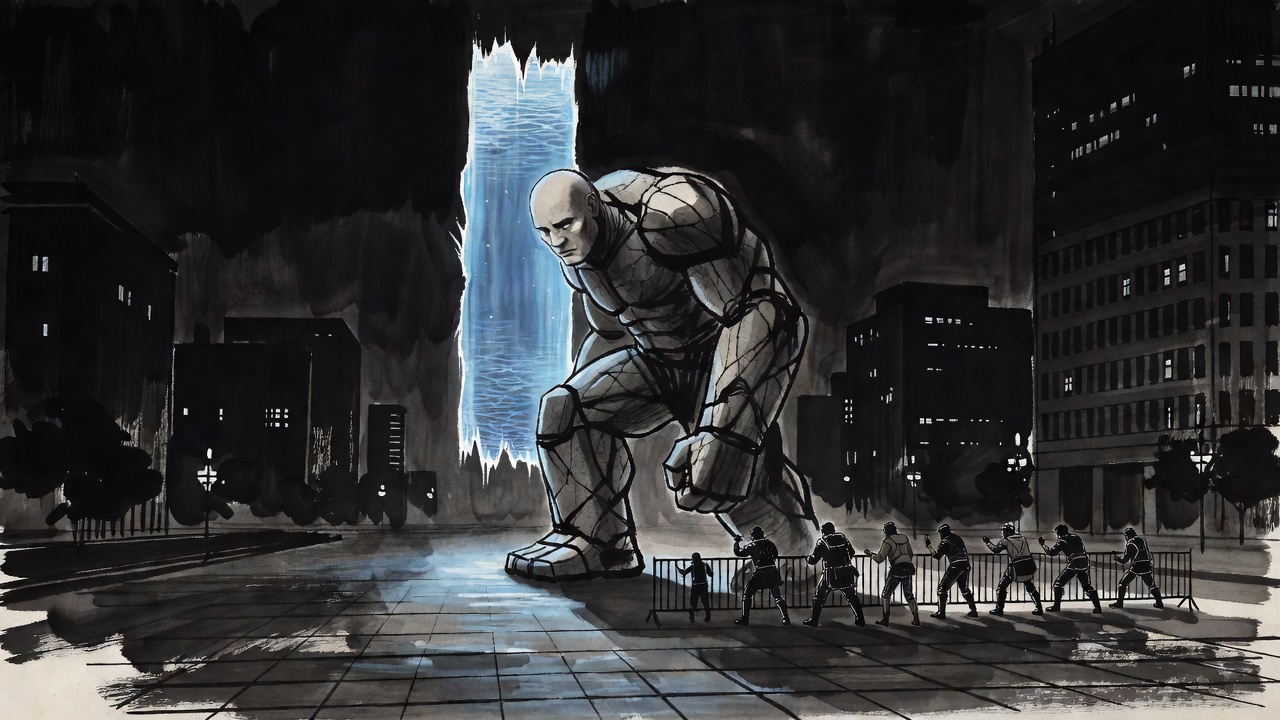
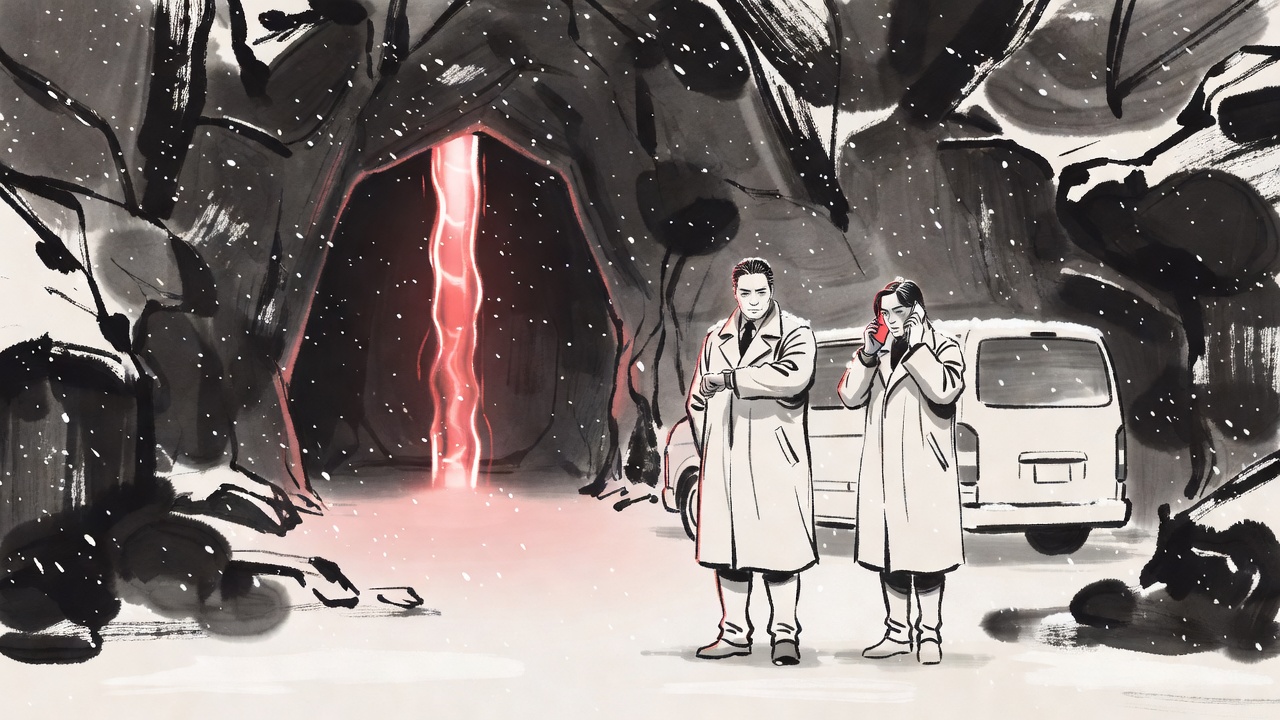
Some gates are worse than their rank. A double dungeon hides a second dungeon inside an ordinary one, and the hidden temple behind an ordinary D-rank gate in Volume 1, the Cartenon Temple, is where the whole story starts. A Red Gate (Volume 2) seals itself and turns red once the party is through; the only ways out are the boss’s death, everyone’s death, or a break, and days can pass inside while hours pass outside. Instance dungeons belong to Jinwoo Sung alone, because the System gives him the keys. The first opens at Hapjeong Station, a real Seoul subway stop; the largest, the Demon’s Castle, has a hundred floors.
Why the gates open at all is the series’ last secret. This page keeps it for the end, and flags it.
Hunters, awakening and ranks
Hunters are people who have awakened: ordinary one day, able to fight magic beasts the next. Their power is fixed at awakening and their rank rarely changes, except through a reawakening, which is extremely rare and can lift a hunter from C to A or even from B to S. Hunters are fighters, mages, tanks and healers, and healers are scarce enough that a B-rank like Joohee Lee is treasured.
S-ranks are national assets and household names: Jongin Choi of the Hunters Guild, called the Ultimate Hunter; Haein Cha, the swordswoman who can smell other hunters’ mana and finds nearly all of them foul; Yoonho Baek of the White Tiger Guild, who fights half-turned into a tiger. Above them stands a class of its own. The novel counts fewer than ten true global powerhouses, each reckoned the equal of a nuclear weapon; best known are the national-level hunters, the five who survived the raid that killed the dragon Kamish, America’s Thomas Andre among them.
At the bottom stands the hero. “E-rank hunter Jinwoo Sung. That title followed him around everywhere.” He is twenty-four, barely sturdier than a civilian and a regular at the hospital. He would hand in his licence but for the Hunter’s Association’s health insurance, and a man with no employable skills has no other way to pay his mother’s hospital bills: several hundred thousand won every month. His colleagues call him the Weakest Hunter of All Mankind and reckon that a raid with Jinwoo on it must be a safe one. A licence can understate, too: Taesik Kang, the B-rank who oversees a convict raid in Volume 1, is far stronger than his rank, and a murderer.
Essence stones, guilds and the Association
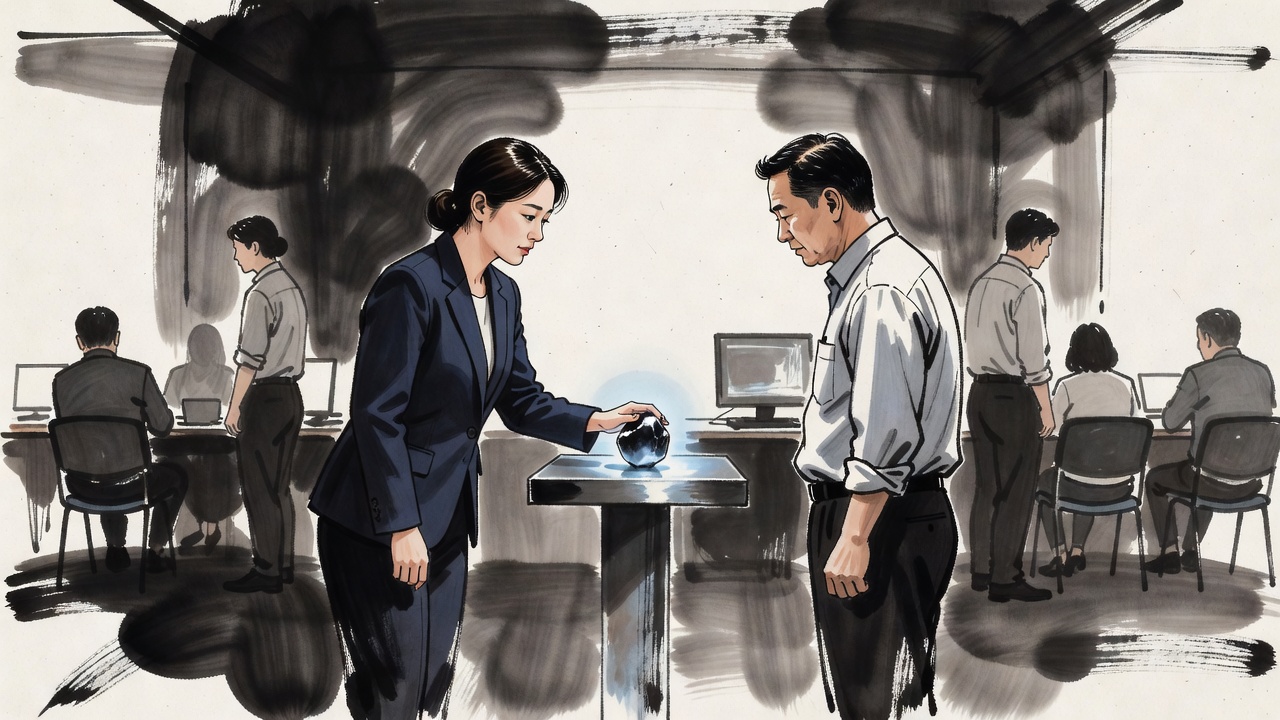
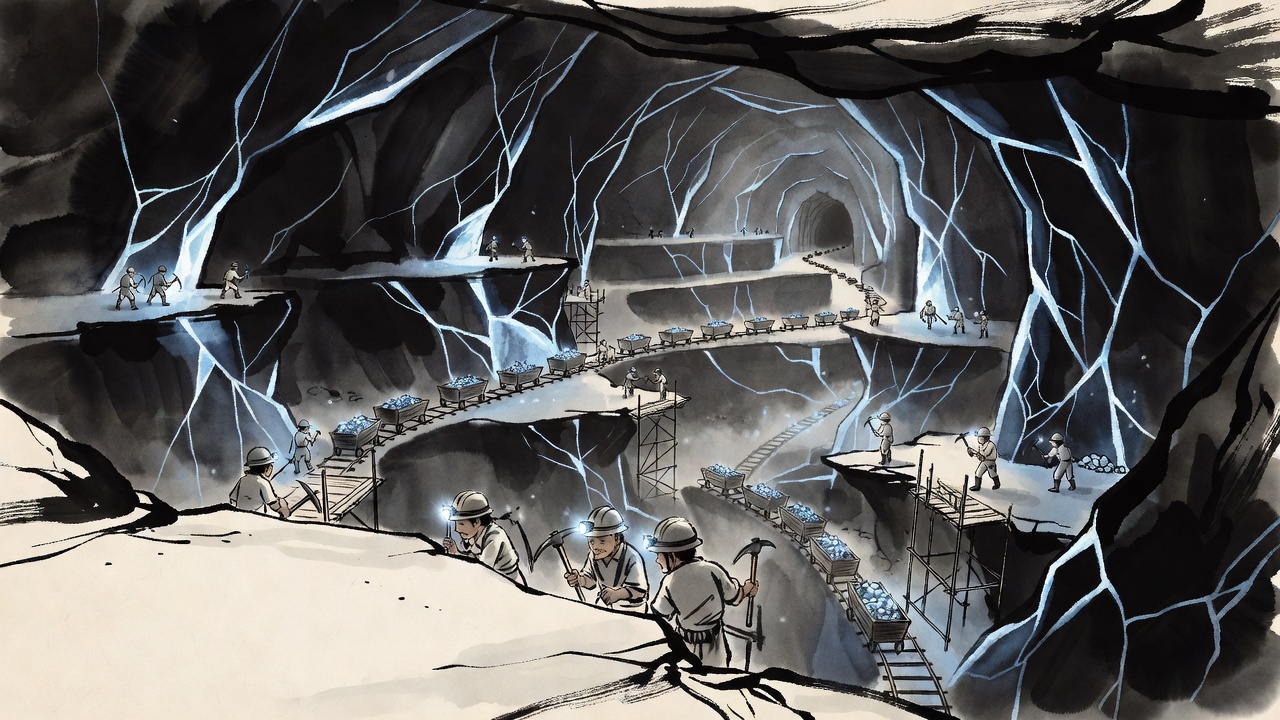
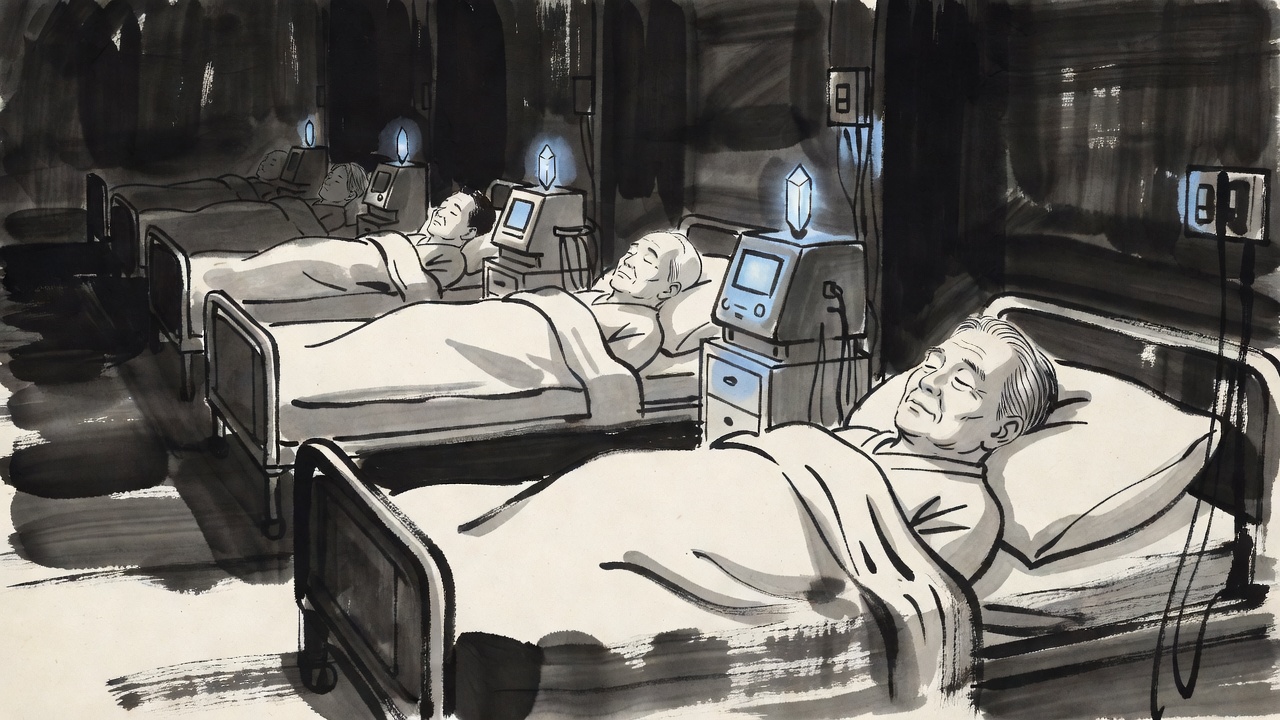
Everyone in these books is counting money. Kill a beast and you cut an essence stone out of it: an E-rank stone sells for under 100,000 won, a C-rank one for over ten million. On a raid the treasure is split, but a hunter keeps the stones from his own kills. The stones are fuel as well as cash. They run the machines that keep Jinwoo’s mother alive through a sleep no medicine can break, and the Association measures mana with a device built round a pitch-black stone from an A-rank beast or worse, worth up to a billion won. In the richest dungeons, once the strike squad has cleared the way, an excavation team digs crystal out of the rock by hand, since machines fail inside.
The guilds are private companies that buy the rights to gates and hire hunters to clear them. Volume 2 names Korea’s top five: the Hunters Guild (Jongin Choi, with Haein Cha as vice president), the Reapers, the Knights, Fame, and Yoonho Baek’s White Tiger Guild, which broke away from the Reapers. Their recruiters sit in the Association’s waiting room sizing up the newly tested; as Jinwoo thinks in Volume 3, “The way they watch us is like hungry wolves, too.” Big business wants in: Jinho Yoo, son of the chairman of Yoojin Construction, offers Jinwoo a building worth some thirty billion won to help him clear enough raids to be made a guild master. Jinwoo ends Volume 4 founding a guild of his own, with Jinho as vice president and almost nobody else; in Volume 5 it becomes, officially, the Ahjin Guild.
Over them all stands the Hunter’s Association (Yen Press keeps the apostrophe), a government body less than ten years old that licenses hunters, calls up a district’s hunters for supervised raids, pays their health insurance and polices them through its Surveillance Team. Its president through Volume 6 is Gunhee Go, an S-rank past eighty whom everyone calls President Go. After the Frost Monarch kills him, Volume 7 opens with his successor, Jinchul Woo, the A-rank in dark sunglasses who measured Jinwoo’s mana at his hospital bedside in Volume 1.
The System
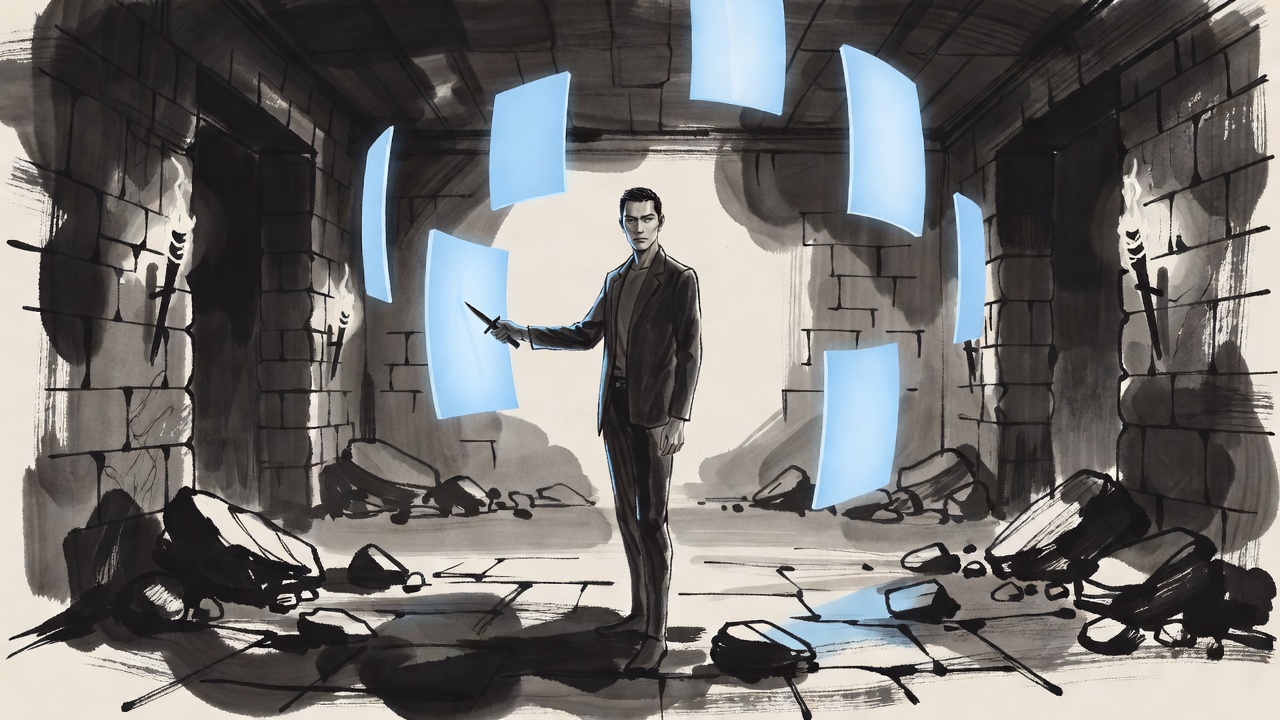
Only one person in the world has a System, and he gets it by very nearly dying. Trapped in the Double Dungeon in Volume 1, Jinwoo meets the conditions of a secret quest and is offered the chance to become a Player; refusing means his heart stops. “PING! [Congratulations on becoming a Player.]” From then on, windows of bracketed text hang in the air where only he can see them, announced by the clear voice of a young woman.
The System runs his life as a game, paperwork included. Every day it posts the daily quest, Strength Training: a hundred push-ups, a hundred sit-ups, a hundred squats and a ten-kilometre run by midnight, or a penalty. The first time he ignores it he is dropped into the Penalty Zone, a desert where he must survive four hours against giant poison-fanged centipedes. Obey and he is paid in stat points, full recoveries and Mystery Boxes. He has levels, and stats that climb with them (Strength, Agility, Stamina, Intelligence, Perception); an inventory, a store, skills learned from rune stones, and keys to dungeons nobody else can enter. Other hunters, reawakenings aside, stay where awakening left them. Jinwoo levels: he opens Volume 3 at level 77, sixteen levels up in a single week.
In Volume 2 he earns a job change. He hopes to become an assassin; the System has other plans, a hidden class that turns into another: Shadow Monarch.
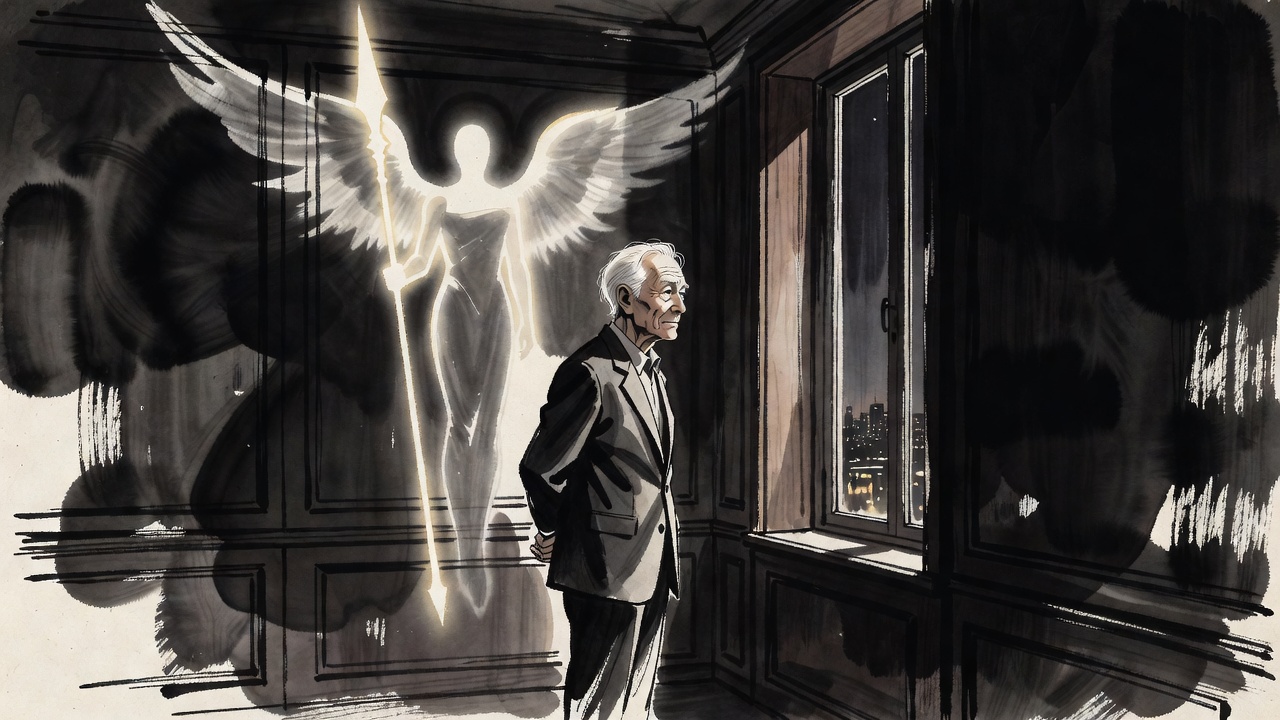
The System has a maker. In Volume 5 a key takes Jinwoo back to the Cartenon Temple, where the winged statue with the stone slate from Volume 1 turns out to be the Architect, who designed it. It was built to grow an ordinary man into a body strong enough for the Shadow Monarch to wear, and the Architect expects to see the Monarch wake in Jinwoo. Instead the Monarch gives Jinwoo his black heart, and in Volume 7 Jinwoo inherits his power outright. By the last war the System no longer holds that power down.
Shadows and the army
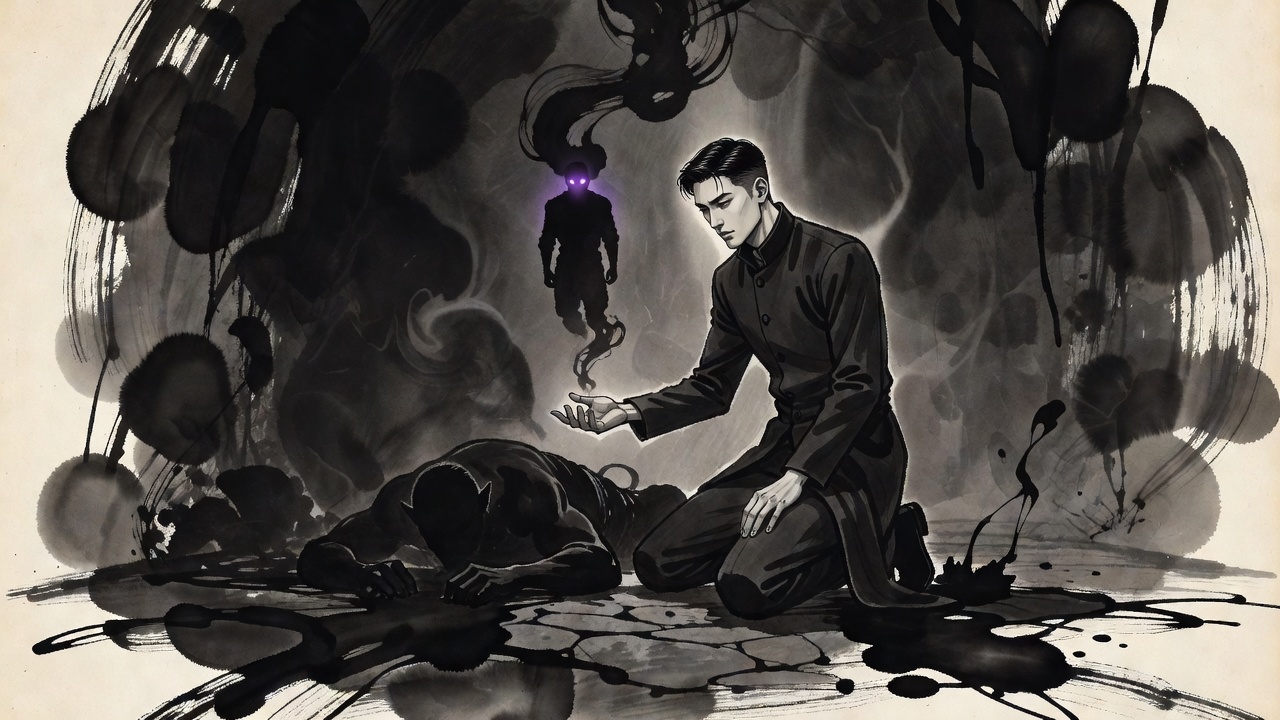
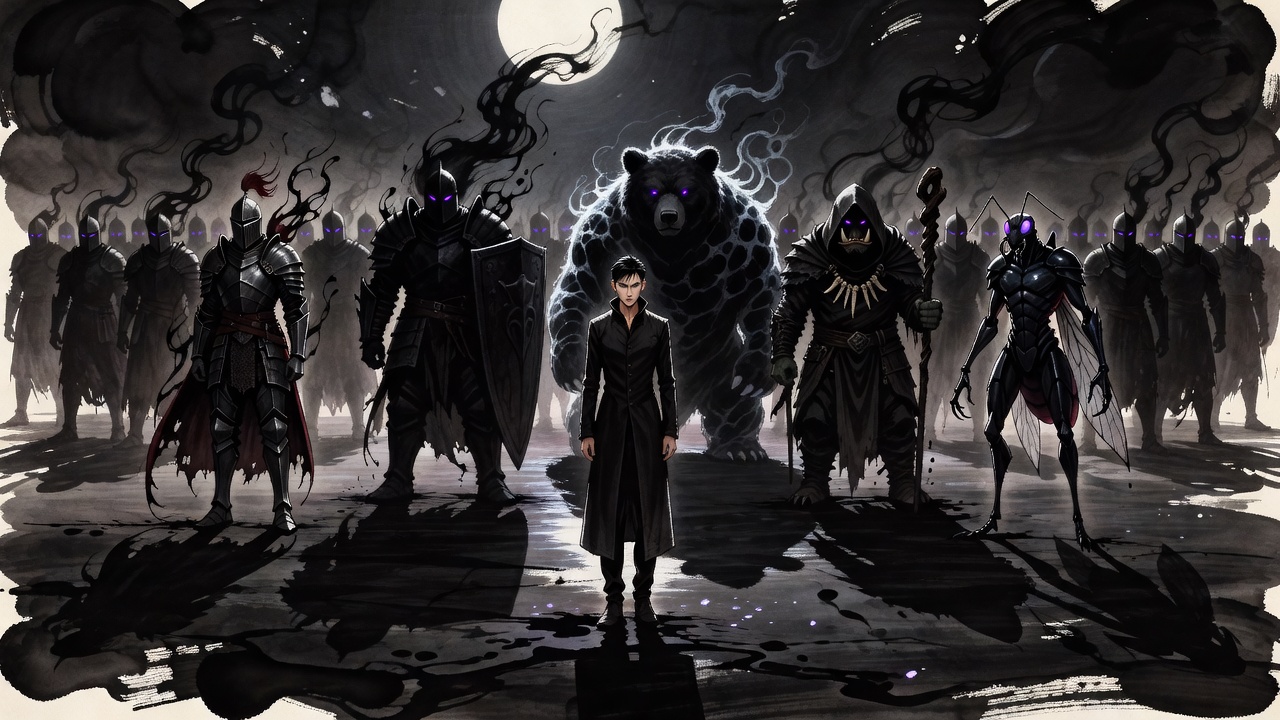
Shadow extraction is the power the series is famous for. From the body of something dead, Jinwoo can raise its shadow as a soldier of black smoke, bound to him, at the command “Arise.” The stronger the dead and the longer dead, the likelier it fails, and each corpse allows only a few tries. Shadows wait inside Jinwoo’s own shadow; he can post them in other people’s as watchmen and swap places with any of them anywhere, which in Volume 4 is how he gets home. They cannot be killed for good while he lives, and they grow by fighting, through grades from plain soldier to knight, general and marshal. The named ones, in order of arrival:
- Igris (Volume 2): Igris the Bloodred, the knight in red armour who guards an empty throne in the job-change trial; the first of the named shadows, and by Volume 7 a marshal who speaks.
- Tank (Volume 2): the Red Gate’s alpha ice bear, named only later, in the Demon’s Castle.
- Iron (Volume 2): the A-rank raid leader who turns on the weaker hunters inside the Red Gate, now a hulking shield-bearer who only roars.
- Fang (Volume 3): the high-orc shaman of an A-rank gate, now a spellcaster; the anime’s Tusk.
- Kaisel (Volume 4): the wyvern the Demon Monarch Balan rode, its name shortened by a master with no head for names, and Jinwoo’s mount ever after.
- Beru (Volume 4): the Ant King of Jeju, who speaks to his liege like an old-fashioned courtier and rises to marshal.
- Jima (Volume 5): a giant naga, once the boss of a naga nest.
- The giants (Volume 6): the giants of the Tokyo gate, the army’s heavy infantry.
- Greed (Volume 6): Dongsoo Hwang, the American S-rank who tortures Jinho, named for the selfishness that killed him.
- Bellion (Volume 7): the first Shadow Monarch’s grand marshal, who comes through the gate over Seoul at the head of the old army and gives it to the new king.
By Volume 8 the army has a general staff: in the hall of the white castle Beru has built him, Jinwoo’s three marshals, Igris, Beru and Bellion, try to talk him out of going. He goes anyway.
Monarchs and Rulers
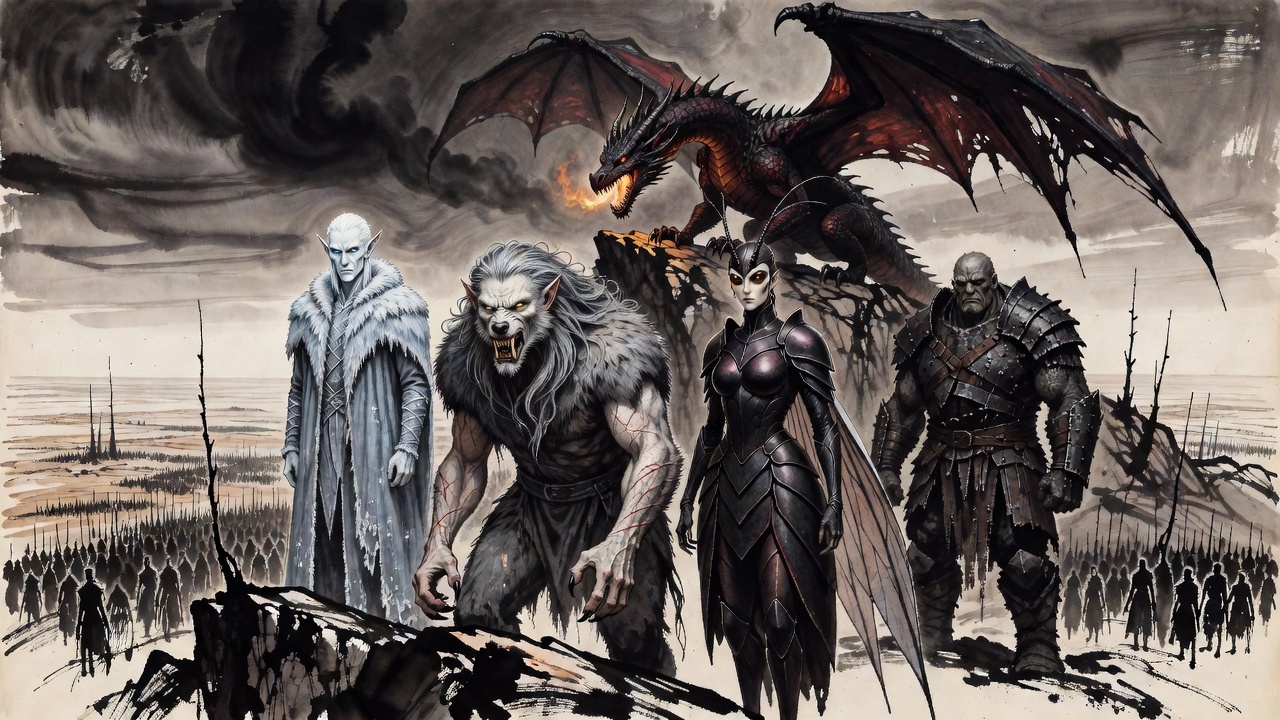
The Monarchs are kings of armies from the World of Chaos, “born in darkness and bred only for destruction,” as Volume 8 puts it. The books mostly name them by title: the Shadow Monarch, Ashborn; the Demon Monarch Balan at the top of the Demon’s Castle (Volume 3); the King of Giants, a prisoner behind the Tokyo gate (Volume 6); the Frost Monarch (Volume 6); the King of Beasts (Volume 7); the Transfiguration Monarch and the King of the Monstrous Humanoids (Volume 8); and the strongest, the Dragon King, Monarch of Destruction, the fan wiki’s Antares. Most need a human body to walk on Earth; the Transfiguration Monarch fights the last war in the body of a short, middle-aged man. To them Jinwoo is the Shadow Monarch’s vessel, and at the end of Volume 6, with President Go dead, they agree to kill him before he grows into his power. In Volume 7 three of them come for him in Seoul.
The Shadow Monarch is the odd one out. In Volume 8 his grand marshal remembers him as one of the Fragments of Luminosity, beings of light who rebelled against the Supreme Being, and the only one who stood against the rest. Volume 7’s long flashback, “Memories of the Shadow Monarch,” shows Jinwoo how Ashborn came to darkness, how the other Monarchs betrayed him, and why he chose a weak, stubborn E-rank from Seoul to inherit it all.
Spoiler, the books’ last: the Fragments are the Rulers, and the gates serve their war. Winged warriors of light and the Monarchs’ ancient enemy, they have made Earth the battlefield. The beasts that come through the gates are prisoners from the Monarchs’ beaten armies, sent to fill the world slowly with mana before the war arrives; the King of Giants, the Rulers’ own captive, tells Jinwoo as much in Volume 6, and the fan wiki adds that the Rulers opened the gates themselves. They too need human bodies. President Go carries one; so does Jinwoo’s father, Ilhwan Sung, the hunter who vanished in a dungeon ten years before the story; so do several national-level hunters. And they hold the Cup of Reincarnation, which turns time back ten years: whenever the Monarchs win, the Rulers try again.
In Volume 8 the Rulers come through in person to finish the Dragon King, and Jinwoo asks for the Cup’s last use. Time turns back, the war’s dead live again, and almost no one remembers what he did. He goes alone into the gap between dimensions to kill the Monarchs before they can return, stays for decades (twenty-seven years), and comes home to his family and to Haein Cha, whom the bonus stories have him marry. Their son is Sooho.
Places: Seoul, Jeju, Japan, America
Seoul is home and most of the map: the hospital where Jinwoo’s mother sleeps, the small apartment he shares with Jinah, Hapjeong Station, the Association, Jinah’s school, and, in Volume 7, the streets where the Monarchs come for him under the largest gate anyone has seen, open in the sky above the city.
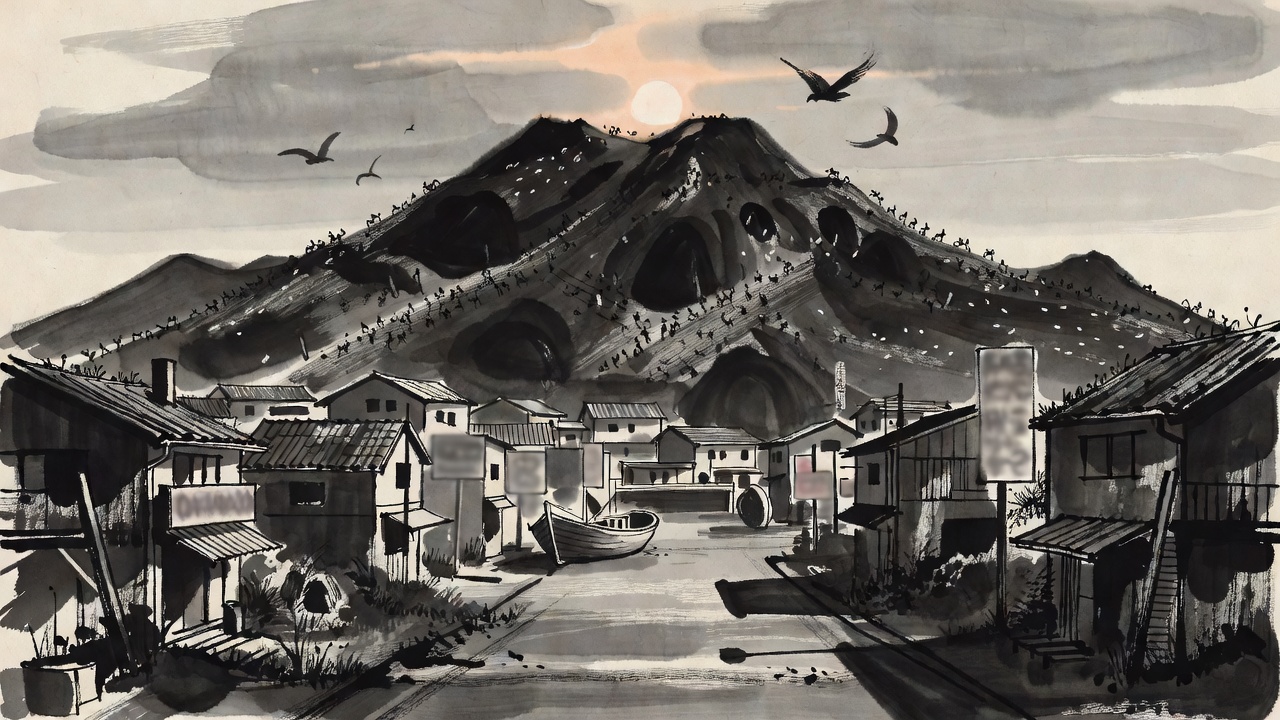
Jeju Island fell to an S-rank gate about four years before the story: the ants broke out, took the island and nested in its mountain, and three Korean raids failed to win it back. The fourth, in Volume 4, is a Korea–Japan alliance led on Japan’s side by its strongest hunter, Ryuji Goto, and meant by Japan’s association as a trap for Korea’s S-ranks. It goes wrong for everyone when the colony hatches an Ant King. Goto dies; Jinwoo, who had stayed in Seoul with his newly woken mother, arrives in time to kill the King and raise him as Beru.
Japan pays for Jeju. With its S-ranks lost there, nothing stops the S-rank gate that breaks in Tokyo midway through Volume 5: giants pour out, Russia’s Yuri Orlov, the barrier hunter Japan had found to hold it, dies against them, the city falls, and the rest of the world stays home. Jinwoo comes, for a price: the bodies. “Here lay the biggest reason he had come to Japan,” Volume 6 says over a dead giant.
America is the other pole of hunter power: Thomas Andre’s Scavenger Guild, S-ranks whose strength the upgrader Norma Sellner has raised, a hunter bureau that keeps the body of the dragon Kamish, and the International Guild Conference of Volume 6, the trip on which Jinwoo beats Thomas Andre and his whole guild to get a kidnapped Jinho back. At the end of Volume 7 the Dragon King comes through in Canada, and the last war opens in North America. It ends, by way of the Cup, in a Seoul ten years younger that has never needed a hunter.
The ranks at a glance
| Rank | What it means in the books | Who holds it |
|---|---|---|
| E | The bottom: barely sturdier than a civilian; an E-rank beast’s essence stone sells for under 100,000 won | Jinwoo Sung, the Weakest Hunter of All Mankind, until Volume 3 |
| D | Gates of this rank are routine work; the one hiding the Double Dungeon in Volume 1 is roughly D-rank | Jinho Yoo, the rich rookie who becomes Jinwoo’s vice president |
| C | A living: a C-rank stone fetches over ten million won; Jinho buys C-rank gates for his two-man raids | Chiyul Song, over sixty, who loses his left arm in the Double Dungeon |
| B | Strong, and in a healer’s case rare and prized | Joohee Lee, the healer; Taesik Kang of the Surveillance Team, far stronger than his licence |
| A | The core of guild strike squads and of the Association’s own force | Jinchul Woo; the Hunters Guild’s Strike Squad B (Volume 3) |
| S | National assets, courted by every guild; Jinwoo becomes Korea’s tenth in Volume 3 | Gunhee Go, Jongin Choi, Haein Cha, Yoonho Baek, Byunggu Min; Ryuji Goto in Japan; Dongsoo Hwang in America |
| National-level | Fewer than ten true powerhouses in the world, each reckoned the equal of a nuclear weapon; the five survivors of the raid on the dragon Kamish | Thomas Andre and Christopher Reed (USA), Zhigang Liu (China), Siddharth Bachchan (India) |
| Off the scale | What the ladder was never built to measure | the Monarchs, the Rulers and their vessels, and Jinwoo once he is the Shadow Monarch |
Novel words, screen words
- Name order. The Yen Press novel puts given names first: Jinwoo Sung, Haein Cha, Jinchul Woo. The English anime and webtoon write Sung Jinwoo, Cha Hae-In, Woo Jinchul, and the Japanese-language anime renames the hero Shun Mizushino.
- Words. The novel’s Elixir of Life is the webtoon’s Holy Water of Life; Balan is Baran; Fang is Tusk; Barca’s Dagger is Baruka’s Dagger; the Supreme Being is the fan wiki’s Absolute Being; Sooho is Suho.
- Gates. The anime’s gates are round, swirling blue portals. The novel pages we could read never describe one, so this walk paints them as tall rifts of light: cold blue, or crimson for a Red Gate.
- Shadows. The anime’s soldiers are black with glowing purple eyes. This walk’s shadows are smoke and ink with violet points of light, its own convention: in ink-wash, the shadows are literally the ink.
- Faces. Jinwoo’s long bangs and glowing eyes, Haein’s blonde bob and red armour, and Thomas Andre’s Hawaiian shirt are the webtoon’s designs, not the novel’s descriptions; the volume pages explain what this walk paints instead.
Across the eight volumes
- Jinwoo’s rank: E-rank (Volumes 1–2); officially S-rank, Korea’s tenth (Volume 3); the Shadow Monarch in full after the inheritance (Volume 7).
- The System: Player (Volume 1); job change to Shadow Monarch (Volume 2); its maker, the Architect, met in the Cartenon Temple (Volume 5); its hold on his power gone by Volume 8.
- The Association: President Gunhee Go through Volume 6, killed by the Frost Monarch; President Jinchul Woo from Volume 7.
- The army: Igris, the ice bear and Iron (Volume 2; the bear named Tank in Volume 3); Fang (Volume 3); Kaisel and Beru (Volume 4); Jima (Volume 5); the giants and Greed (Volume 6); Bellion and the first Shadow Monarch’s army (Volume 7).
- The Monarchs: the Demon Monarch Balan dies at the top of the Demon’s Castle (end of Volume 3); the King of Giants in Tokyo (Volume 6); three come for Jinwoo in Seoul (Volume 7); the Dragon King and the rest in the last war (Volume 8).
- The map: Jeju retaken (Volume 4); Tokyo saved (Volume 6); a colossal gate over Seoul (Volume 7); the last war, opening in North America (Volume 8).
- The reset: the Cup of Reincarnation turns time back ten years (Volume 8). Jinwoo’s father, President Go and the war’s dead live again, and almost no one remembers.